
Understanding the psychological triggers behind gambling behavior
The allure of risk and reward
The thrill of gambling often stems from the inherent allure of risk and reward. Players are naturally drawn to the excitement of potentially winning big, which can lead to a rush of adrenaline. This psychological response is deeply rooted in human behavior, as people are generally motivated by the prospect of gain, even when they fully understand the odds are stacked against them. The anticipation of a win can create a euphoric state that further entices individuals to gamble. For those interested in learning more, you can see details about the psychological elements at play.

This desire for instant gratification plays a significant role in gambling behavior. When players place bets, their brains release dopamine, a neurotransmitter associated with pleasure and reward. This chemical response reinforces the gambling habit, leading individuals to seek that ‘high’ repeatedly. As they chase the feeling, they may overlook the financial and emotional consequences of their actions, which can spiral into problematic gambling behaviors.
The influence of cognitive biases
Cognitive biases significantly shape gambling behavior, leading individuals to make irrational decisions. One common bias is the illusion of control, where gamblers believe they can influence the outcome of a game, such as poker or blackjack, despite these games being predominantly chance-based. This illusion can enhance the gambling experience, prompting players to engage more frequently and invest more money, convinced they possess a special skill or strategy.
The role of technology in gambling
The digital age has transformed the gambling landscape, making it more accessible and appealing. Online casinos and mobile betting apps provide convenience that attracts a wider audience, from casual gamblers to those at risk of addiction. The ease of placing bets with just a few taps on a smartphone heightens the temptation and can lead to impulsive decisions, as the barriers to entry are significantly lowered.
The emotional aspects of gambling
Gambling is often tied to complex emotional factors, such as stress, anxiety, and depression. Many individuals turn to gambling as a form of escapism, seeking relief from negative emotions or life circumstances. This coping mechanism can provide a temporary distraction but often leads to a cycle of guilt and shame when losses occur, exacerbating underlying emotional issues.
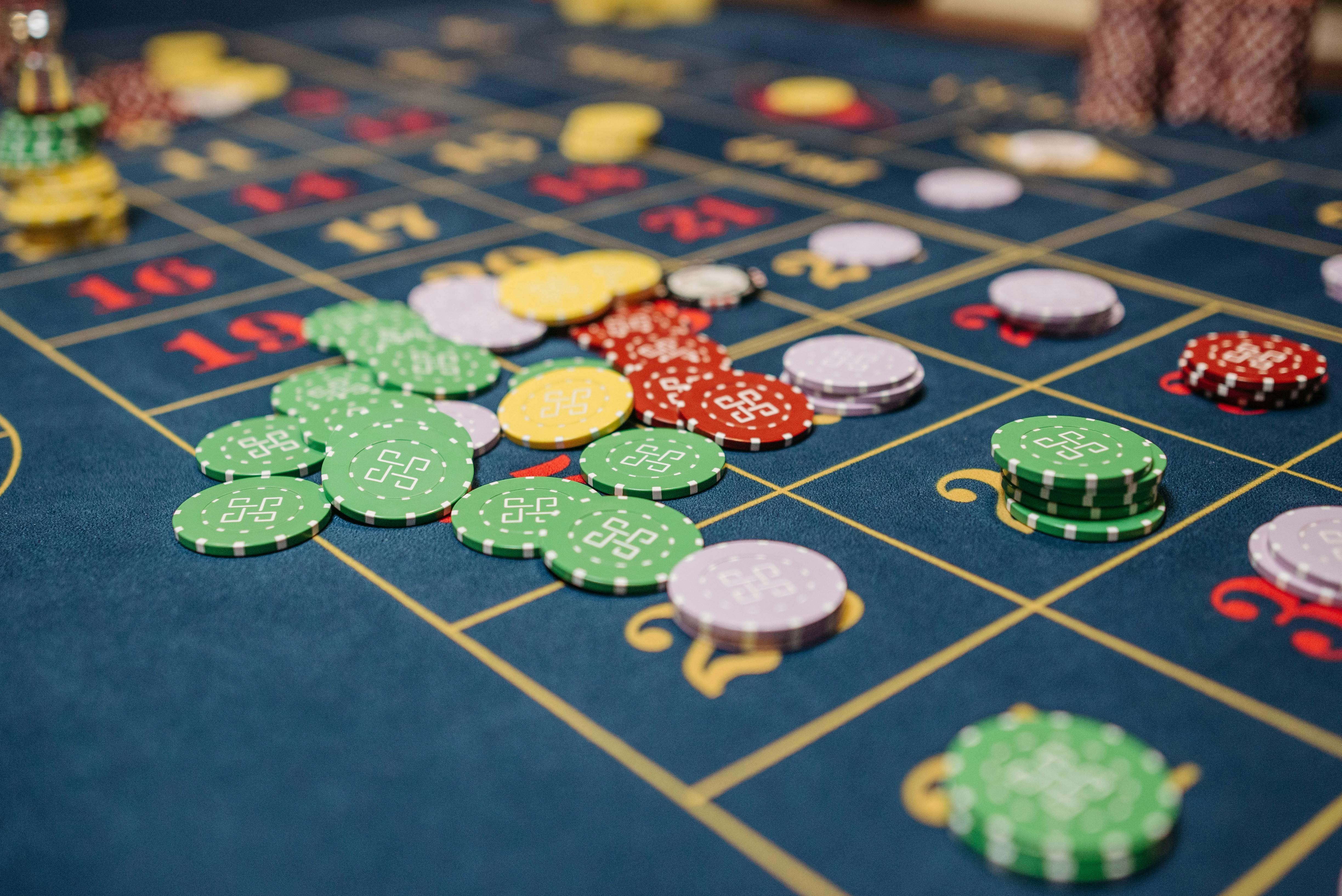
Exploring resources for understanding gambling behavior
For individuals seeking to understand more about gambling behavior, various resources are available. Websites dedicated to gambling education provide insights into the psychological aspects of gambling, offering valuable information for both gamblers and their loved ones. These platforms aim to raise awareness about the risks associated with gambling and promote responsible behavior.