

The Extradition Treaty between India and Its Global Partners
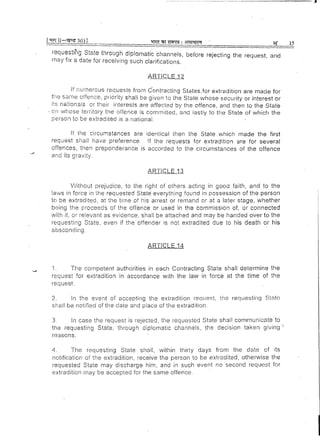
Extradition treaties are vital tools in international law, facilitating the process of surrendering criminal suspects between countries. Among these treaties, the extradition treaty between India and its various partners plays a crucial role in combating international crime. This is particularly true when discussing the extradition treaty between India and UAE, which highlights the growing cooperation in legal matters between nations.
The legal framework for extradition in India is primarily governed by the Extradition Act of 1962, which outlines the procedures and conditions under which extradition can be granted. India has entered into numerous bilateral extradition treaties, reflecting its commitment to tackling cross-border crime and enhancing security. Such treaties allow for the transfer of individuals accused of serious crimes, enabling them to face justice in the jurisdiction where the crime was committed.
Historical Context
The concept of extradition has a long history, tracing back to the Roman Empire. However, modern extradition treaties began to emerge in the 19th century. India, a former British colony, inherited several legal practices and frameworks from its colonial rulers. Consequently, the legal mechanisms for extradition were established during this period and have evolved to accommodate contemporary legal standards and international norms.
Over the years, India has signed extradition treaties with various countries, including the United States, the United Kingdom, countries in Europe, and several nations in Asia. Each treaty is distinct, reflecting the legal systems, cultural contexts, and diplomatic relationships between the countries involved.
Importance of Extradition Treaties
Extradition treaties are crucial for several reasons:
- Combating Crime: They enable countries to apprehend and prosecute criminals who may have fled across international borders, particularly for serious crimes such as terrorism, drug trafficking, and organized crime.
- International Cooperation: Treaties signify a commitment to cooperate on legal matters, fostering trust and collaboration in law enforcement efforts.
- Justice for Victims: Extradition ensures that victims of crime receive justice, irrespective of where the perpetrators may attempt to escape.
- Deterrence: The existence of extradition treaties can deter potential criminals from fleeing to countries with less stringent legal frameworks.
Challenges in Extradition
Despite the importance of extradition treaties, several challenges persist:
- Legal Complexities: Legal systems differ across countries, and what qualifies as an extraditable offense may vary significantly.
- Political Implications: Extradition requests can become politically sensitive, especially if they involve high-profile individuals or controversial cases.
- Public Sentiment: In some instances, public opinion may influence the likelihood of extradition, especially if there is a perception of unfairness in the judicial process of the requesting country.
- Human Rights Concerns: States may deny extradition if there are legitimate concerns about the treatment of the accused in the requesting country, particularly regarding issues of torture or unfair trials.
Recent Developments in India’s Extradition Treaties
In recent years, India has worked to strengthen its extradition agreements with various countries, reflecting a broader strategy to enhance international cooperation on crime prevention and law enforcement. The treaty with the United Arab Emirates (UAE) serves as a notable example of this effort. Signed in 2021, this treaty aims to expedite the extradition process and address crimes such as money laundering, human trafficking, and organized crime.
The agreement has significant implications for India, which has faced challenges in extraditing individuals accused of financial crimes and fraud. The UAE has become a hub for many Indian nationals, and the existence of a treaty facilitates the legal process of apprehending fugitives who may seek refuge there.
Case Studies
The case of Indian businessman Vijay Mallya is a high-profile example that underscores the complexities of extradition. Mallya, who faced allegations of financial fraud, fled to the UK in 2016. The Indian government sought his extradition under the treaty with the UK, leading to a lengthy legal battle. This case highlights the challenges inherent in extradition processes, including legal appeals and procedural delays.
Similarly, the case of Nirav Modi, another businessman sought by Indian authorities for fraud and money laundering, demonstrates the intricacies involved in such high-stakes extradition cases. Modi’s legal team has exploited various aspects of the UK legal system to delay proceedings, showcasing the hurdles that can arise even with a formal extradition treaty in place.
The Future of Extradition Treaties for India
As globalization intensifies and international crime continues to evolve, the importance of extradition treaties will only grow. India is likely to pursue more such agreements with countries where its nationals frequently reside or with whom it shares economic ties. This will enhance cooperation in addressing transnational crime and ensuring that individuals accused of serious offenses are held accountable.
Moreover, as technology advances and cybercrime becomes increasingly prevalent, India may need to adapt its extradition framework to address these new forms of criminal activity. This could involve revising existing treaties or entering into new agreements specifically tailored to tackle cybercrime effectively.
Conclusion
Extradition treaties are vital cogs in the machinery of international law enforcement. For India, these treaties represent a commitment to justice, safety, and international cooperation. While challenges remain, ongoing efforts to strengthen existing treaties and establish new ones will improve the ability to combat crime and foster trust between nations. As India continues to navigate the complexities of international law, the efficacy of its extradition treaties will be crucial in ensuring justice is served for victims worldwide.