
The Challenges of UK Horse Racing: What Happens When It’s Not On
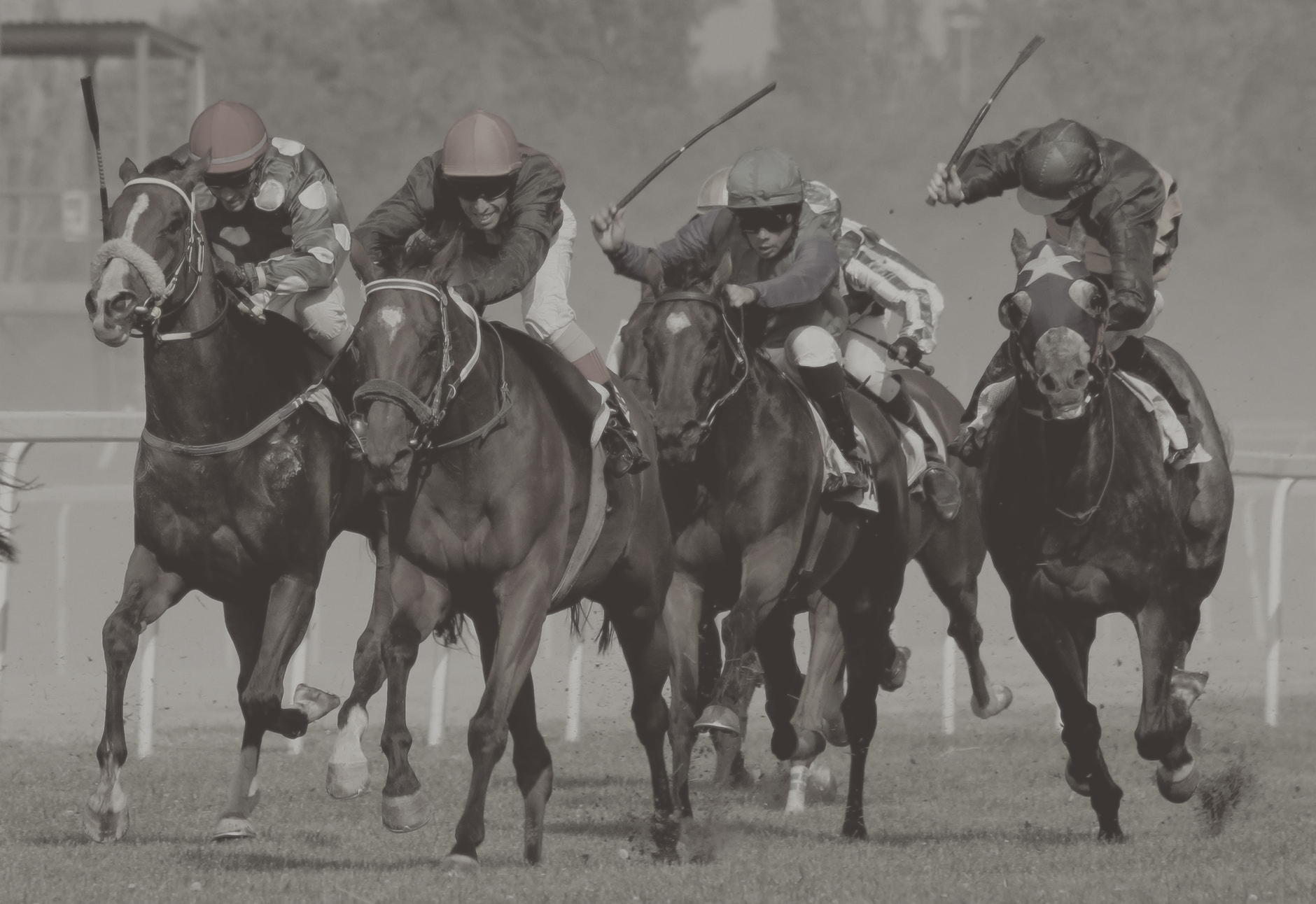
The thrill of horse racing draws millions of fans and bettors alike to tracks across the UK, showcasing the excitement of thoroughly trained athletes galloping toward victory. However, what happens to the community and the industry when UK horse racing is not on? This article explores various aspects of the sport and its impact on betting and the racing community. For those seeking alternative betting platforms, there are UK horse racing not on GamStop horse racing betting sites not on GamStop that can provide opportunities during the downtime.

The Cultural Significance of Horse Racing in the UK
Horse racing is not just a sport in the UK; it’s a cultural phenomenon steeped in history. Events such as the Grand National and Royal Ascot are fixtures on the national calendar, drawing vast crowds and immense media coverage. For many, these occasions represent not only an opportunity to wager on their favorite horses but also a chance to socialize and partake in a longstanding tradition.
The Breeding and Training Aspect
The breeding and training of racehorses are time-consuming and expensive endeavors. Trainers invest significant resources into preparing their horses for races, often spanning months or even years. When races are cancelled or postponed, it complicates the careers of the horses and the trainers alike, who rely on event schedules to showcase their hard work and generate income.
Economic Impact
The economic implications of a disrupted racing calendar are far-reaching. Tracks that host races, along with associated industries such as betting shops and hospitality, experience significant revenue losses when racing events are not held. The jobs tied to these events can be vulnerable; staff, from those managing the racetrack to vendors catering to spectators, face uncertainty during periods without races.
Betting Dynamics
Betting forms a significant aspect of horse racing culture and economy. With races not taking place, the market for betting on horse racing fluctuates dramatically. Bettors often turn to alternative sports or events, leading to a diversification of betting habits. This change can pressure traditional sportsbooks to adapt their offerings and promotions in response to reduced interest in horse racing.
Technological Adaptation
With the rise of online betting, many enthusiasts quickly adapt by seeking alternatives during racing downtime. Online platforms allow for diverse betting opportunities that can include international horse racing or other sports. However, the challenge remains for bettors and bookmakers to find reputable sites, especially those not bound by restrictions like GamStop.
Community Solidarity
The horse racing community is known for its close-knit nature, where fans, trainers, owners, and bettors often forge strong relationships. During times when racing events are not scheduled, the community rallies around one another, organizing local events, fundraisers, and promotional activities to maintain interest in the sport and support those affected by the cancellations.
Changing Regulations
Regulatory bodies often govern horse racing, setting rules and guidelines for the operations of betting and racing events. When events are not on, these organizations may reassess and adjust their regulations, particularly around betting practices and participant welfare. Consequently, this could lead to increased scrutiny of the industry and its implications on the broader gambling landscape.
The Future of Horse Racing
The future of horse racing in the UK remains promising, even in the face of challenges. The innovations brought by technology and events planning can create new experiences for fans. As the industry evolves, incorporating feedback from stakeholders will be essential in ensuring that horse racing continues to thrive, even during eras of uncertainty.
Conclusion
Understanding the implications of UK horse racing not taking place is critical for fans, bettors, and industry stakeholders. The sport encapsulates a rich history and cultural significance that extends beyond mere competition. As the community adapts to the dynamic nature of racing schedules and betting parlays, it is essential to support one another, invest in positive change, and foster an environment where horse racing can continue to flourish in the UK.