
Review project highlights first: a restrained material palette, sharp spatial planning, and clear sightlines turn each room into a memorable setting. These case studies show how compact layouts can gain character through texture, light, and measured contrast.
Each design journey begins with a precise reading of the site, then moves toward custom solutions that shape comfort and identity. Across these interior transformations, quiet details, balanced proportions, and refined finishes create spaces that feel distinct without excess.
Collected examples reveal a disciplined approach to form, where every decision supports usability while adding visual depth. From residential updates to workplace revisions, these project highlights present a clear method: thoughtful composition, strong material choices, and spaces that hold attention through nuance.
Exploring the Evolution of Signature Aesthetics
Trace each interior transformation through a clear sequence of material, light, and proportion choices; this gives the collection a steady visual logic from one space to the next.
Early case studies relied on muted palettes, crisp geometry, and restrained decor, which created rooms that felt calm yet distinct. Later versions added warmer textures, layered surfaces, and sharper contrast, giving each composition a more assertive character.
| Phase | Visual cue | Spatial effect |
|---|---|---|
| Initial rooms | Neutral tones, open surfaces | Quiet, airy atmosphere |
| Middle period | Stone, wood, soft shadow | Richer depth and warmth |
| Recent work | Bold accents, refined contrast | Sharper visual identity |
A strong portfolio showcase reveals how recurring elements can shift without losing coherence: slim profiles, controlled symmetry, and carefully placed focal points appear again with new materials or scale. That repetition builds recognition while avoiding monotony.
Several case studies highlight a move from purely minimal rooms toward spaces that carry more tactile presence. Linen, brushed metal, matte lacquer, and textured plaster now work together to create stronger sensory depth while keeping the composition clean.
Follow the design journey through these stages, and a clear pattern emerges: each setting keeps its own voice, yet all of them share a disciplined approach to space, light, and surface rhythm.
Key Projects That Define Kulturella’s Brand Identity
Choose signature spaces that show restraint with intent: compact residences, quiet hospitality interiors, and curated work areas should form the core portfolio showcase. Each case must reveal clear material choices, sharp spatial rhythm, and precise interior transformations, while project highlights point to one consistent voice–calm, refined, and distinctly recognizable.
Pair those centerpieces with a sharper design journey across select commissions, where each room tells a different chapter without losing cohesion. Shortlisted by their ability to balance function, atmosphere, and visual clarity, these entries make the brand feel memorable through subtle detail, disciplined composition, and a strong sense of authorship.
Insights from Curators Behind Renowned Kulturella Creations
Study the user flow first, then let form follow quiet behavior; this rule guided every case studies review shared by the curators.
“We began with constraints, not decoration,” one lead creator said, describing the design journey as a sequence of sharp edits, measured pauses, and decisive material swaps.
Another specialist pointed to project highlights that arose from small spatial moves: a shifted partition, a softer light line, a calmer entry sequence, all of which reshaped perception without excess.
These remarks reveal how interior transformations can gain force from restraint; a room does not need many gestures if each one carries clear intent and a precise place in the composition.
Across several case studies, the team returned to one habit: test a bold idea, strip away anything noisy, then keep only what strengthens atmosphere, movement, and use.
What remains after that process is a lucid method, where materials, scale, and detail speak with one voice, and every surface supports the quiet intelligence behind the work.
Practical Applications of Kulturella’s Design Philosophy in Modern Spaces
Use a restrained material mix–oak, linen, matte stone, and blackened metal–to give rooms clarity, visual calm, and strong tactile presence.
Such a method works well in apartments, lobby areas, studios, and hospitality settings, where clutter can weaken comfort. A measured layout supports movement, while layered lighting sets a refined mood without excess. For a closer look at the method behind these choices, visit https://kulturellasparse.com/.
- Use one statement surface per room, then keep the rest quiet.
- Choose built-ins that hide storage while keeping lines clean.
- Place art in focused groupings so walls feel deliberate, not crowded.
- Repeat a narrow material palette across rooms for visual continuity.
Recent case studies show how small changes reshape daily use: a narrow corridor becomes a gallery-like passage, a compact kitchen gains breathing room through flush cabinetry, a meeting zone feels calmer after low-sheen finishes replace glossy ones. These interior transformations depend on clear proportion, careful light control, and furniture that earns its place.
- Map circulation before selecting furnishings.
- Reserve negative space around key items.
- Mix soft textures with hard surfaces for balance.
- Keep decorative accents limited to project highlights that support the main idea.
A strong design journey here does not chase novelty; it builds spaces that hold up to daily use while staying visually composed. That approach suits homes, offices, lounges, retail corners, and shared areas where calm structure, material honesty, and clean detailing improve how people move, meet, and rest.
Q&A:
What distinguishes Kulturella’s approach to design from other firms?
Kulturella prioritizes simplicity and functional clarity in its projects. Instead of layering multiple trends or techniques, the firm focuses on the core idea of a space or object, ensuring every element has a reason for being. Their designs often highlight natural materials, clean lines, and thoughtful interaction between the user and the environment, which creates a sense of cohesion and intentionality across their portfolio.
Can you give an example of a project that best represents their philosophy?
One notable project is the ‘Nordic Haven’ residential complex. In this work, Kulturella removed all unnecessary visual clutter, instead emphasizing daylight, ventilation, and spatial flow. The resulting spaces feel open without being stark, reflecting a balance between practicality and aesthetic restraint. It illustrates how the firm turns functional simplicity into an experience that engages both sight and comfort.
How does Kulturella integrate storytelling into its projects?
Kulturella treats each design as a narrative, where materials, forms, and layout communicate a concept. For instance, in their ‘Heritage Library’ project, every architectural choice references historical patterns without literal replication. The furniture, lighting, and even flooring serve as narrative elements, subtly guiding visitors through a story embedded in the environment itself. This approach creates spaces that feel intentional and memorable rather than merely decorative.
What role does material selection play in their work?
Material selection is central to Kulturella’s methodology. The team prefers materials that age gracefully and interact with light in interesting ways. For example, raw wood, brushed metals, and unpolished stone appear frequently, providing textures that invite touch and create visual depth. These choices are not merely aesthetic; they also reflect a consideration for durability, environmental impact, and sensory experience.
How does their portfolio reflect adaptability to different project scales?
Kulturella’s portfolio spans from intimate interior spaces to large public installations, demonstrating flexibility without compromising their design principles. In smaller projects, the focus is often on nuanced details and precise proportions. Larger projects emphasize circulation, communal experience, and the relationship between built forms and landscape. Despite the differences in scale, the underlying approach—reducing unnecessary complexity and highlighting purposeful design—is consistently visible.
What sets Kulturella Sparse Portfolio’s projects apart from typical architectural works?
Kulturella Sparse Portfolio distinguishes itself by focusing on minimal intervention and clarity in design. Each project demonstrates a deliberate choice to reduce visual clutter, prioritizing form, material, and spatial experience over decorative elements. For instance, in one of their residential projects, open spaces are shaped around natural light and local context, allowing the architecture to interact directly with its surroundings. This approach often leads to structures that feel both modern and timeless, offering users a sense of calm and functionality rather than sensory overload.
Can you explain the design philosophy behind one of Kulturella’s public installations?
One of Kulturella’s public installations uses a restrained palette of materials such as concrete, steel, and glass, paired with precise geometric patterns. The intent is to create spaces that encourage observation and quiet reflection without overwhelming the viewer. The designers focus on how people move through the area, subtly guiding attention to light, shadows, and textures. Rather than relying on elaborate ornamentation, the work invites interaction through simplicity, highlighting the relationship between human presence and built space. This method makes the installation feel both approachable and thought-provoking, prompting visitors to consider their surroundings in a more deliberate way.
 exercício de matemática ENEM
 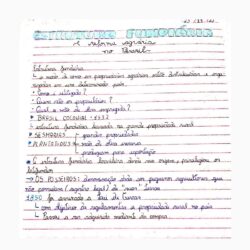 Estrutura fundiária
  Exercício de fundamentos da óptica
 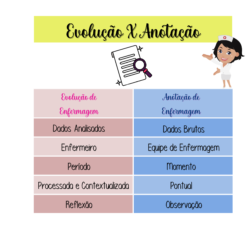 Evolução e anotação na enfermagem
 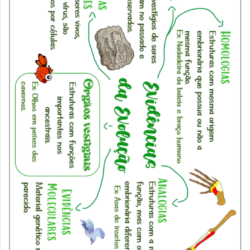 Evidências da Evolução
  Resumo surgimento da Microbiologia